ISO 22000:2018 Food Safety Management Systems (FSMS)
ISO 22000:2018 is an internationally recognized standard for Food Safety Management Systems (FSMS). It defines the requirements for organizations involved in the food chain to ensure that food is safe at every stage—from farm to fork.
What is ISO 22000?
ISO 22000 is applicable to all organizations in the food industry, including food manufacturers, processors, distributors, transporters, retailers, packaging companies, and even suppliers of equipment and additives. It establishes a unified, globally recognized benchmark for food hygiene and hazard prevention.
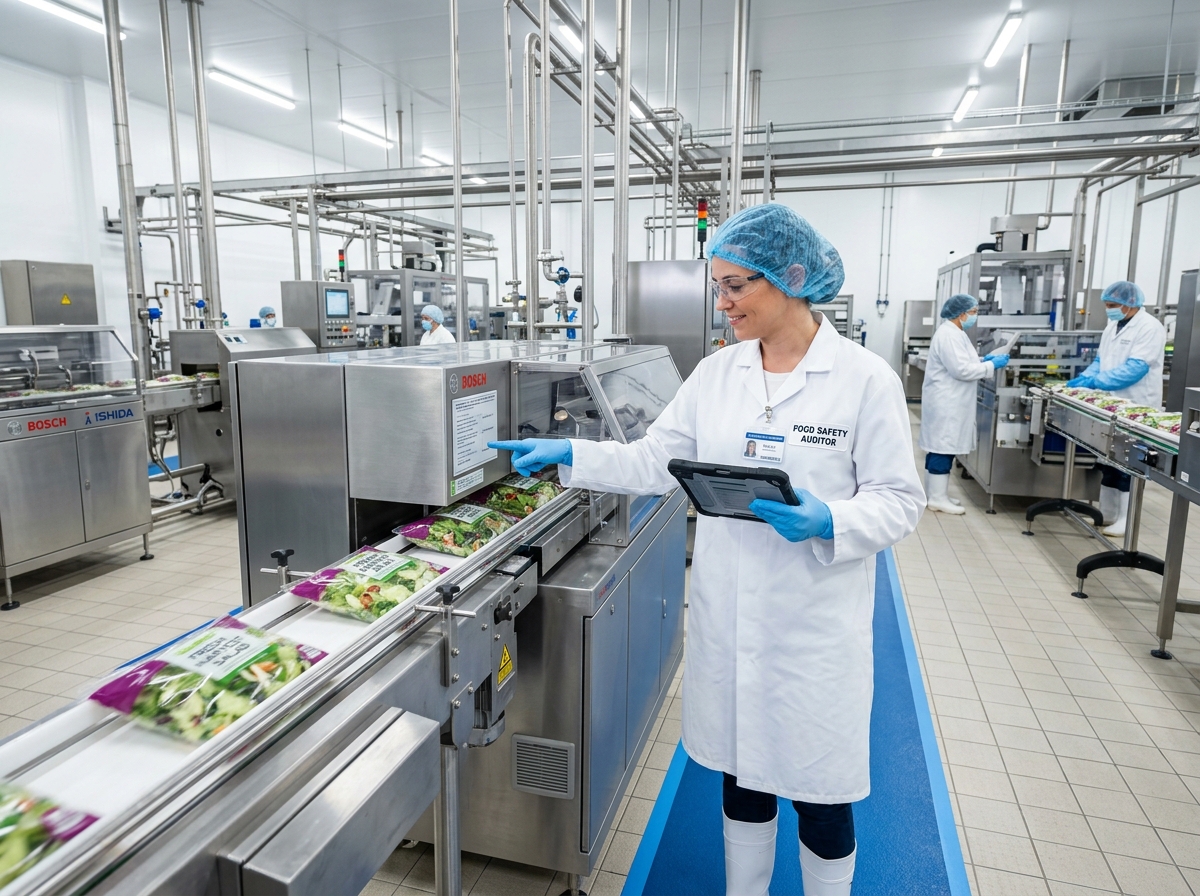
ISO 22000:2018
Quality Mark Certification Accredited FSMS Audit BodyKey Features of ISO 22000
A comprehensive, harmonized structure combining management system principles with proven food hygiene methodology:
Food Safety Management System (FSMS)
A structured framework that helps organizations identify and control food safety hazards through effective policies, procedures, and practices.
Interactive Communication
Promotes transparent and effective communication across the entire food supply chain to ensure safety at every step.
System Management Approach
Ensures that food safety is integrated into the organization’s overall management system, promoting accountability, consistency, and continuous improvement.
Continual Improvement
Requires ongoing monitoring, measuring, and updating of the FSMS to keep pace with changing risks, regulations, and customer expectations.
Why ISO 22000 is Important?
Safeguarding product integrity while expanding brand authority and regulatory alignment:
1. Ensures Food Safety
ISO 22000 ensures that food products are safe for consumption, helping to prevent foodborne illnesses, contamination, and product recalls.
2. Regulatory Compliance
Helps organizations meet international, national, and industry-specific food safety regulations and requirements.
3. Risk Management
Identifies and controls potential hazards throughout the supply chain, reducing food safety risks before they impact consumers.
4. Improved Consumer Confidence
Certification demonstrates your commitment to food safety, boosting consumer trust and brand credibility.
5. Global Market Access
ISO 22000 is recognized worldwide and often a prerequisite for doing business with major retailers, importers, and regulatory bodies.
Key Benefits of ISO 22000 Certification
Delivers tangible quality assurances, operational savings, and risk control for food enterprises:
Enhanced Food Safety
Identifies, prevents, and reduces food safety hazards throughout the supply chain.
Legal & Regulatory Compliance
Helps ensure compliance with food safety laws and regulations in various global markets.
Customer Trust & Brand Reputation
ISO 22000 certification reassures customers that your food products are safe, reliable, and of high quality.
Supply Chain Integration
Encourages collaboration across all levels of the food chain—from raw material sourcing to final consumption.
Operational Efficiency
Streamlined processes, reduced waste, and improved risk management lead to more efficient and cost-effective operations.
Continual Improvement
Ongoing audits and performance reviews help organizations improve systems, reduce errors, and respond to new challenges.
ISO 22000 Certification Process
A structured, transparent 6-step roadmap conducted by certified food safety lead auditors:
Gap Analysis & Planning
Assess existing food safety practices and identify areas that need to align with ISO 22000 requirements.
FSMS Development & Implementation
Establish policies, procedures, and controls that address food safety hazards and meet ISO 22000 standards.
Employee Training & Awareness
Train staff across all levels to understand food safety risks, procedures, and their roles in maintaining a safe food environment.
Internal Audits & Reviews
Conduct internal audits to ensure your FSMS is effective and ready for external certification.
Certification Audit
A third-party certification body evaluates your system for compliance with ISO 22000 standards.
Surveillance & Continual Improvement
Regular audits and updates help ensure that your FSMS evolves and adapts to changing risks and business conditions.
Who Should Implement ISO 22000?
ISO 22000 applies to any organization involved in the food supply chain, including:
Food Manufacturers & Processors
Primary processing, packaged food, and beverage productionRestaurants & Catering Services
Hospitality, institutional kitchens, and dining chainsRetailers & Wholesalers
Supermarkets, bulk distributors, and food outletsFood Packaging & Logistics
Cold storage, freight transportation, and packaging materialsIngredient & Additive Suppliers
Flavoring, preservatives, and raw food ingredientsAgricultural & Animal Feed Producers
Crop farming, livestock feed mills, and grain handlersConclusion: Safe Food. Trusted Quality. Global Standards.
ISO 22000 certification reinforces our dedication to food safety, quality, and regulatory compliance. Whether you're a customer, partner, or end consumer, you can trust that we uphold the highest standards at every step of the supply chain.
Ready to Certify Your Food Safety Management System?
Partner with our accredited FSMS lead auditors for an efficient, transparent, and globally recognized ISO 22000:2018 certification.
