ISO 14001:2015 Environmental Management Systems (EMS)
ISO 14001 is an internationally recognized standard for Environmental Management Systems (EMS). It provides a framework for organizations to manage their environmental responsibilities in a systematic manner that contributes to the sustainability of the environment.
What is ISO 14001?
ISO 14001:2015 is an international standard that sets out the criteria for an effective Environmental Management System (EMS). It helps organizations improve their environmental performance through more efficient use of resources and reduction of waste, gaining a competitive advantage and the trust of stakeholders.
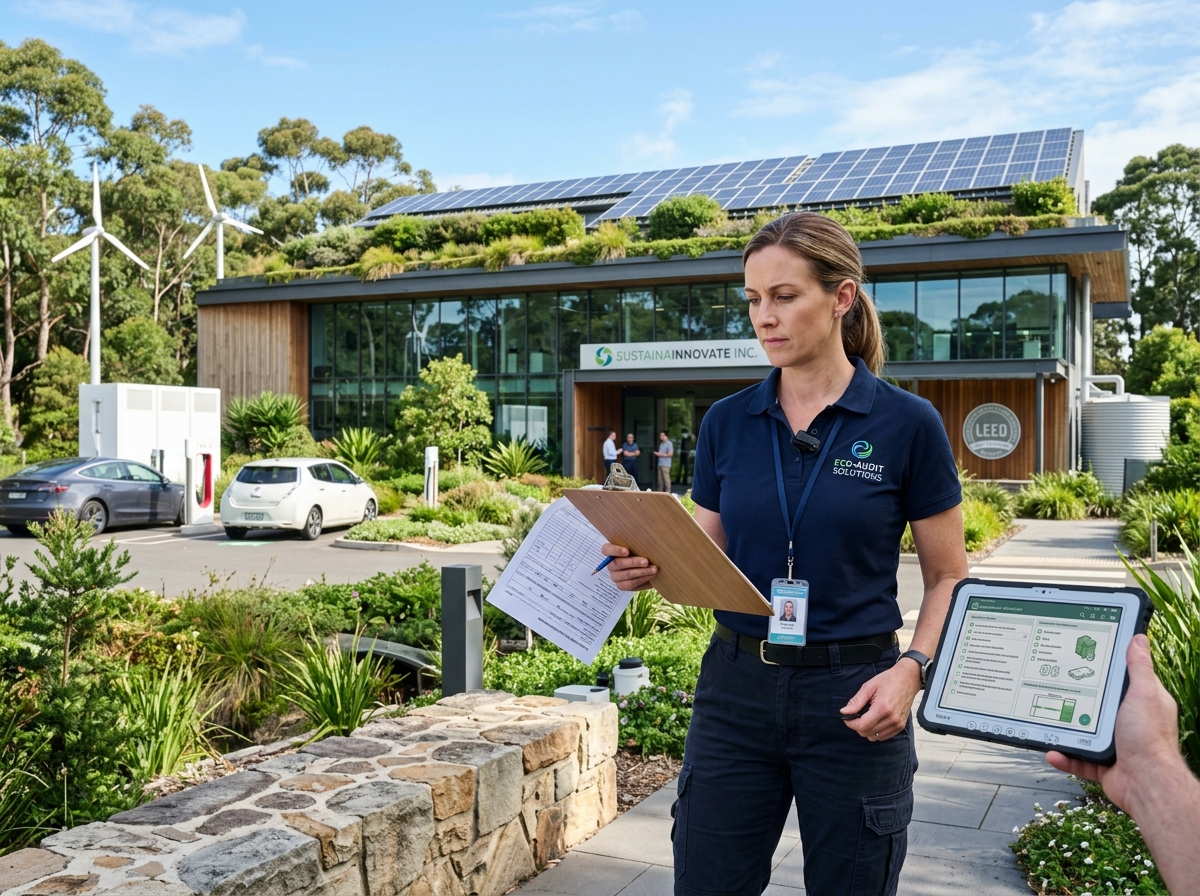
ISO 14001:2015
Quality Mark Certification Accredited EMS Audit BodyKey Principles of ISO 14001
ISO 14001 is built around the concept of continuous improvement, ensuring that organizations can manage their environmental impact in a sustainable and effective way. The key principles include:
Leadership Commitment
Top management must demonstrate leadership and commitment to environmental management, ensuring that the EMS is integrated into the organization’s overall strategy.
Lifecycle Perspective
Consideration of the full lifecycle of products and services, from design to disposal, helps reduce negative environmental impacts at every stage.
Risk Management
Proactively identifying and mitigating environmental risks that could have adverse effects on the organization and the environment.
Resource Efficiency
Ensuring that resources such as water, energy, and raw materials are used efficiently, and minimizing waste and emissions.
Stakeholder Engagement
Involving employees, customers, suppliers, and other stakeholders in environmental management to drive collaboration and improvement.
Compliance & Continuous Improvement
Regular monitoring of compliance with legal and regulatory requirements, as well as ongoing efforts to improve the EMS.
Why ISO 14001 is Important?
Implementing an ISO 14001 environmental framework protects planetary resources while unlocking tangible business advantages:
1. Environmental Protection
ISO 14001 helps organizations manage and reduce their environmental impact, contributing to global sustainability efforts.
2. Legal Compliance
Adopting ISO 14001 helps ensure compliance with local, national, and international environmental laws and regulations.
3. Cost Savings
By improving resource efficiency and reducing waste, companies can lower operational costs, especially in areas like energy consumption and raw material usage.
4. Stakeholder Confidence
Certification demonstrates your organization’s commitment to environmental responsibility, building trust with customers, investors, regulators, and the public.
5. Risk Reduction
Identifying potential environmental risks and taking proactive steps to mitigate them helps avoid costly fines, penalties, and damage to reputation.
Key Benefits of ISO 14001 Certification
Achieving ISO 14001 provides substantial operational, financial, and reputational advantages for modern enterprises:
Improved Environmental Performance
ISO 14001 helps organizations assess and reduce their environmental footprint, including reducing waste, emissions, and resource consumption.
Regulatory Compliance
Certification ensures that your business complies with environmental laws, regulations, and industry standards, reducing the risk of legal penalties.
Enhanced Corporate Reputation
ISO 14001 certification signals to customers and other stakeholders that your organization is environmentally responsible and committed to sustainability.
Cost Savings and Efficiency
Efficient use of resources leads to significant savings, especially in energy, water, and raw materials. Reduced waste also helps lower disposal costs.
Market Differentiation
Achieving ISO 14001 certification sets your company apart from competitors and can be a valuable selling point, especially as sustainability becomes a growing concern for consumers.
ISO 14001 Certification Process
A streamlined, transparent 6-step roadmap guided by certified environmental audit professionals:
Environmental Review
Conduct an initial assessment of your organization’s environmental impacts and current practices.
Develop and Implement an EMS
Design and implement an Environmental Management System that meets the criteria of ISO 14001.
Monitor and Measure Performance
Track the effectiveness of your EMS and its impact on reducing environmental risks and improving sustainability.
Internal Audit
Conduct internal audits to evaluate compliance with the ISO 14001 standard and identify areas for improvement.
Certification Audit
A third-party certification body will evaluate your organization’s EMS to ensure it meets ISO 14001 requirements.
Continuous Improvement
Regular reviews, audits, and corrective actions will ensure that your EMS remains effective and continuously improves over time.
Conclusion: A Commitment to Sustainability
ISO 14001 certification is not just a standard—it’s a comprehensive approach to environmental responsibility that helps organizations make meaningful contributions to sustainability while improving operational efficiency. By aligning our practices with ISO 14001, we are not only managing our environmental impacts but are also committed to leading the way in corporate responsibility.
Ready to Build a Sustainable Future with ISO 14001?
Partner with our accredited EMS lead auditors for a smooth, transparent, and globally recognized ISO 14001:2015 certification.
